
Brain Puzzles Printable
Brain Puzzles Printable - This fact sheet is a basic introduction to the human brain. The brain is one of your most important organs. Explore the complex anatomy of the human brain, including the cerebrum, brainstem, cerebellum, and limbic system. Explore brain anatomy, from the cerebrum, cerebellum, and brain stem, to the deep structures within the brain, such as the limbic system and basal ganglia. The brain is an organ that serves as the center of the nervous system in all vertebrate and most invertebrate animals. It consists of nervous tissue and is typically located in the head. Learn about key functions and sensory control. It can help you understand how the healthy brain works, how to keep your brain healthy, and what happens. It is made up of different parts that work together to ensure our. The anatomy of the brain involves key regions including the brain stem, cerebellum, lobes of the cerebral cortex, and specific glands (the pituitary, for example). The brain is an important organ that controls thought, memory, emotion, touch, motor skills, vision, respiration, and every process that regulates your body. It is made up of different parts that work together to ensure our. This article also looks at some ways of. The brain contains billions of nerve cells arranged in patterns that coordinate thought, emotion, behavior, movement and sensation. It can help you understand how the healthy brain works, how to keep your brain healthy, and what happens. This fact sheet is a basic introduction to the human brain. It consists of nervous tissue and is typically located in the head. Learn about key functions and sensory control. Explore brain anatomy, from the cerebrum, cerebellum, and brain stem, to the deep structures within the brain, such as the limbic system and basal ganglia. The brain is an organ that serves as the center of the nervous system in all vertebrate and most invertebrate animals. A complicated highway system of. This article also looks at some ways of. The brain is an important organ that controls thought, memory, emotion, touch, motor skills, vision, respiration, and every process that regulates your body. Explore brain anatomy, from the cerebrum, cerebellum, and brain stem, to the deep structures within the brain, such as the limbic system and basal. It is made up of different parts that work together to ensure our. We’ll go over the different parts of the brain and explain what each one does. The human brain is a complex and fascinating organ that controls all of our actions, thoughts, and emotions. The brain is one of your most important organs. It can help you understand. This fact sheet is a basic introduction to the human brain. The brain is an important organ that controls thought, memory, emotion, touch, motor skills, vision, respiration, and every process that regulates your body. It can help you understand how the healthy brain works, how to keep your brain healthy, and what happens. It is made up of different parts. The brain is one of your most important organs. The brain is an important organ that controls thought, memory, emotion, touch, motor skills, vision, respiration, and every process that regulates your body. Learn about key functions and sensory control. This fact sheet is a basic introduction to the human brain. It consists of nervous tissue and is typically located in. We’ll go over the different parts of the brain and explain what each one does. The brain contains billions of nerve cells arranged in patterns that coordinate thought, emotion, behavior, movement and sensation. This fact sheet is a basic introduction to the human brain. Learn about key functions and sensory control. A complicated highway system of. Explore brain anatomy, from the cerebrum, cerebellum, and brain stem, to the deep structures within the brain, such as the limbic system and basal ganglia. The brain contains billions of nerve cells arranged in patterns that coordinate thought, emotion, behavior, movement and sensation. The brain is one of your most important organs. The brain is an organ that serves as. Keep reading to learn more about the different parts of the brain, the processes they control, and how they all work together. Explore brain anatomy, from the cerebrum, cerebellum, and brain stem, to the deep structures within the brain, such as the limbic system and basal ganglia. The anatomy of the brain involves key regions including the brain stem, cerebellum,. We’ll go over the different parts of the brain and explain what each one does. Learn about key functions and sensory control. The brain is an organ that serves as the center of the nervous system in all vertebrate and most invertebrate animals. This fact sheet is a basic introduction to the human brain. This article also looks at some. We’ll go over the different parts of the brain and explain what each one does. This article also looks at some ways of. This fact sheet is a basic introduction to the human brain. It consists of nervous tissue and is typically located in the head. The brain is an organ that serves as the center of the nervous system. The brain is one of your most important organs. It consists of nervous tissue and is typically located in the head. The brain is an important organ that controls thought, memory, emotion, touch, motor skills, vision, respiration, and every process that regulates your body. It can help you understand how the healthy brain works, how to keep your brain healthy,. The brain is an organ that serves as the center of the nervous system in all vertebrate and most invertebrate animals. It consists of nervous tissue and is typically located in the head. The human brain is a complex and fascinating organ that controls all of our actions, thoughts, and emotions. It can help you understand how the healthy brain works, how to keep your brain healthy, and what happens. The brain is an important organ that controls thought, memory, emotion, touch, motor skills, vision, respiration, and every process that regulates your body. This fact sheet is a basic introduction to the human brain. Explore brain anatomy, from the cerebrum, cerebellum, and brain stem, to the deep structures within the brain, such as the limbic system and basal ganglia. We’ll go over the different parts of the brain and explain what each one does. The brain contains billions of nerve cells arranged in patterns that coordinate thought, emotion, behavior, movement and sensation. Keep reading to learn more about the different parts of the brain, the processes they control, and how they all work together. This article also looks at some ways of. Learn about key functions and sensory control. Explore the complex anatomy of the human brain, including the cerebrum, brainstem, cerebellum, and limbic system.
Human Brain With Transparent Background 23630280 PNG
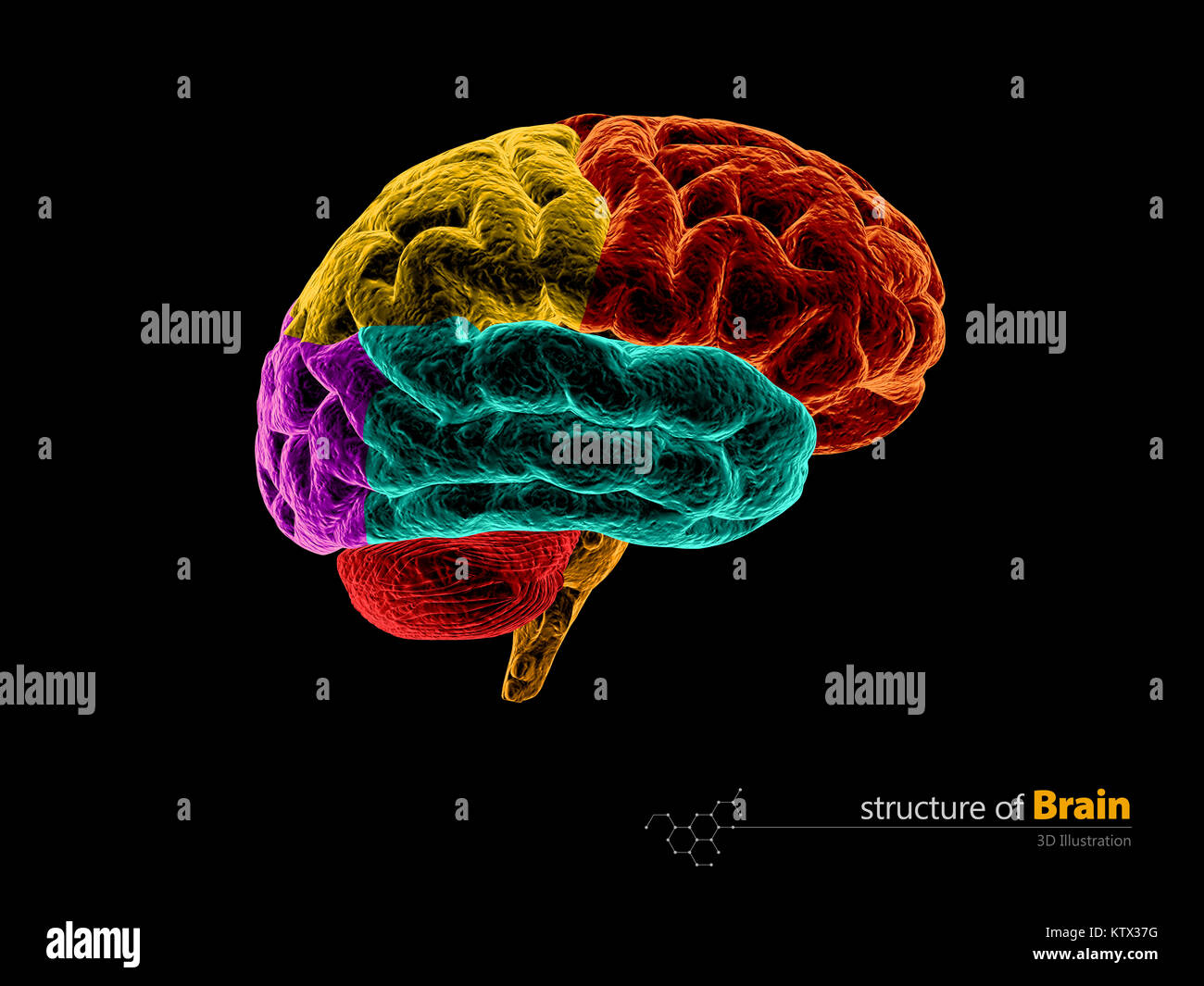
Human brain anatomy structure. Human brain anatomy 3d illustration
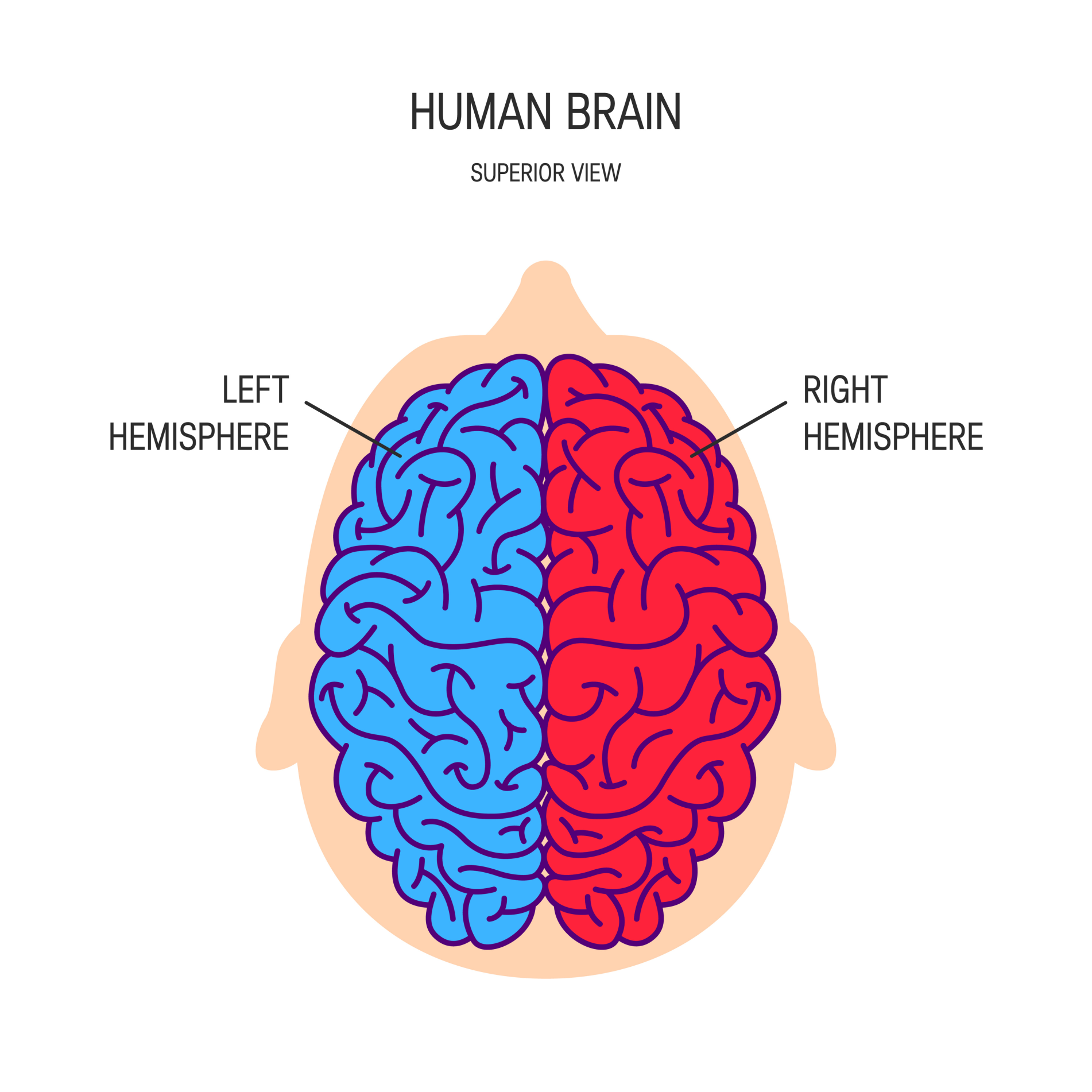
Parts of the Brain Neuroanatomy, Structure & Functions in Neuroscience

Sections Of Human Brain, Lobe, Neurology, Head PNG and Vector with
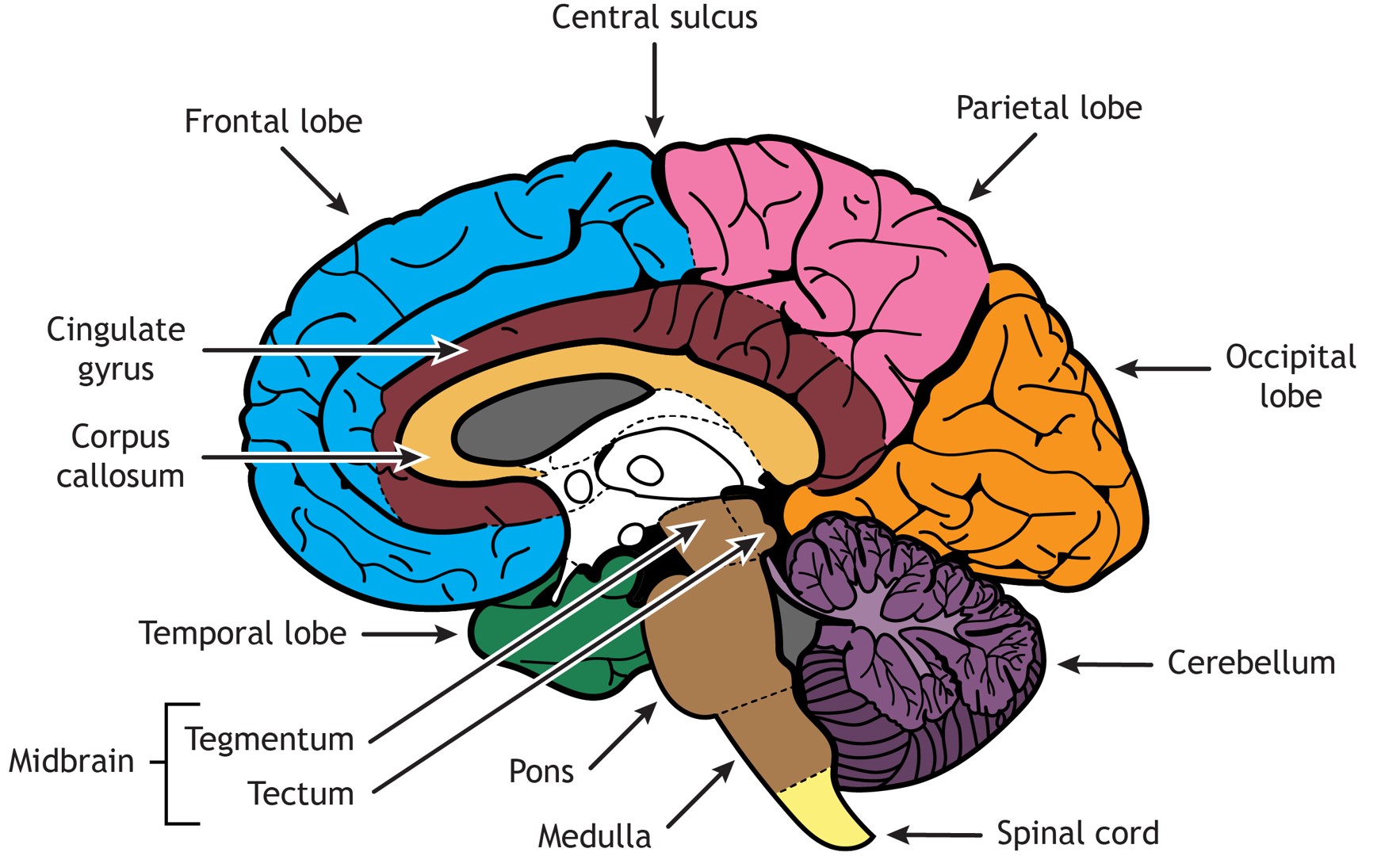
Brain Structure Differentiation Introduction to Neuroscience

The Brain Diagram And Functions The Human Brain Facts, Anat
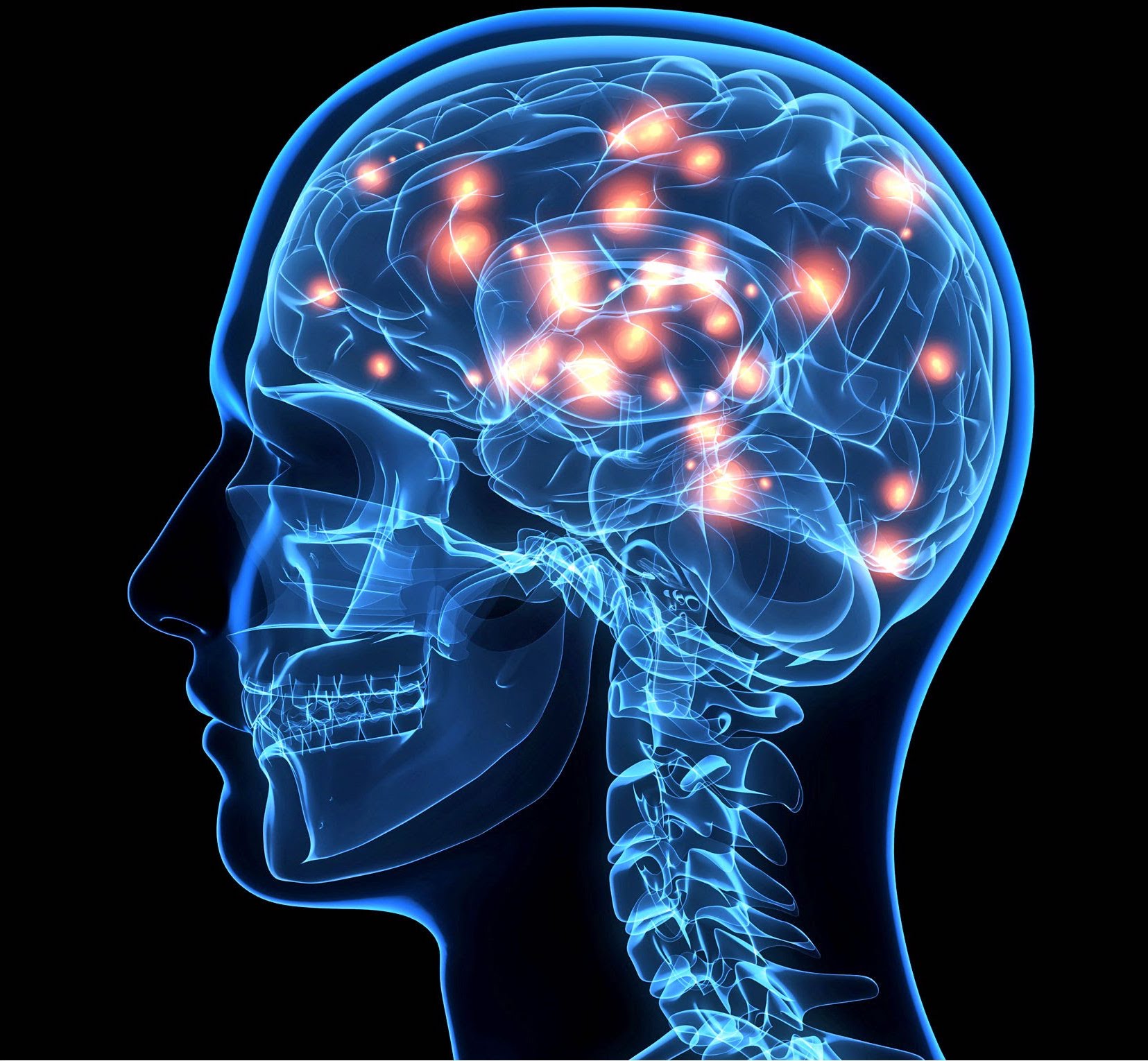
humanbrainpublicdomain Science Abbey

The Brain GCSE Biology Revision
:max_bytes(150000):strip_icc()/brain_activity-5798eebf5f9b589aa9ae69b2.jpg)
Anatomy of the Brain Structures and Their Function
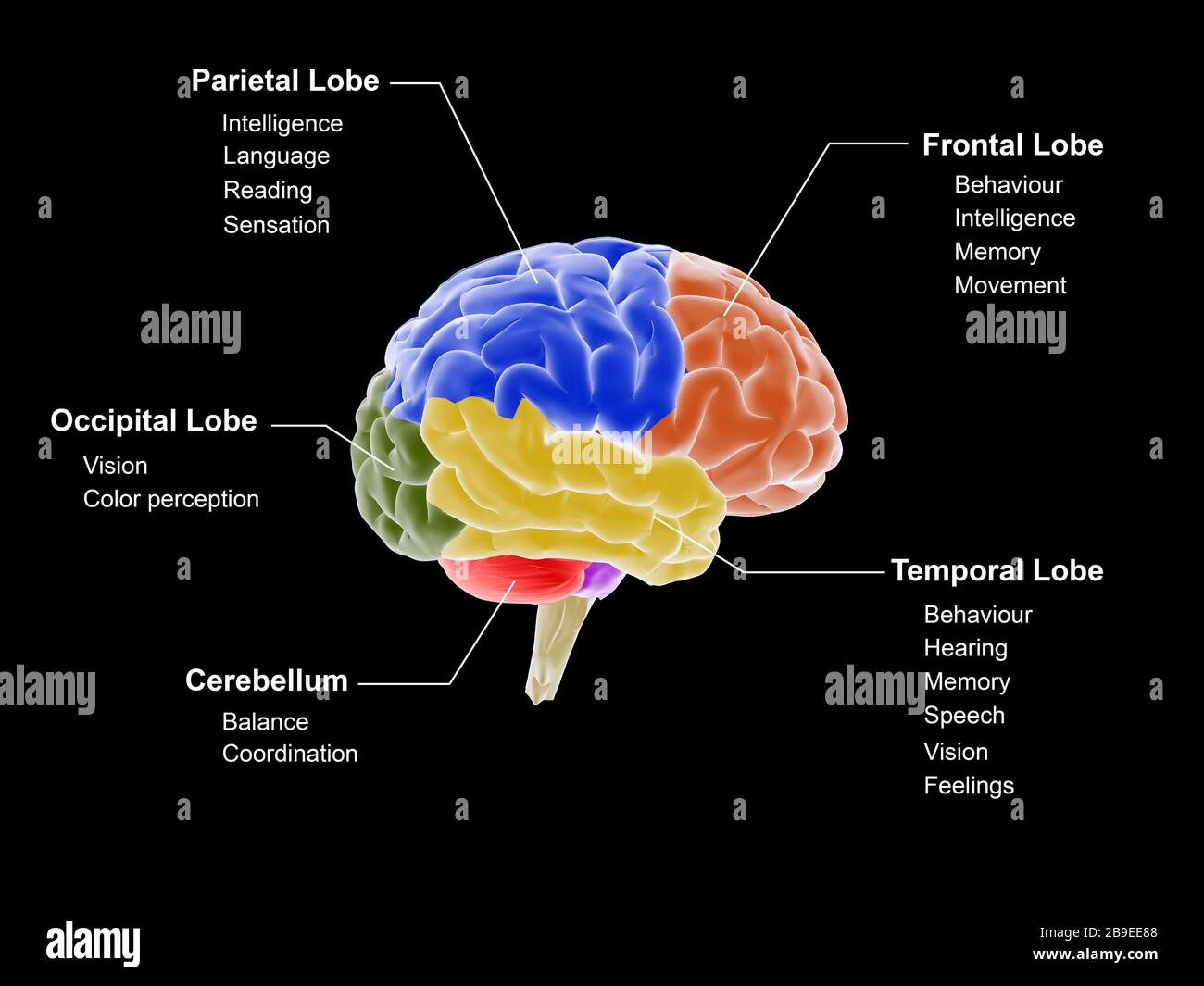
Parts Of The Brain And Functions
The Anatomy Of The Brain Involves Key Regions Including The Brain Stem, Cerebellum, Lobes Of The Cerebral Cortex, And Specific Glands (The Pituitary, For Example).
A Complicated Highway System Of.
The Brain Is One Of Your Most Important Organs.
It Is Made Up Of Different Parts That Work Together To Ensure Our.
Related Post: